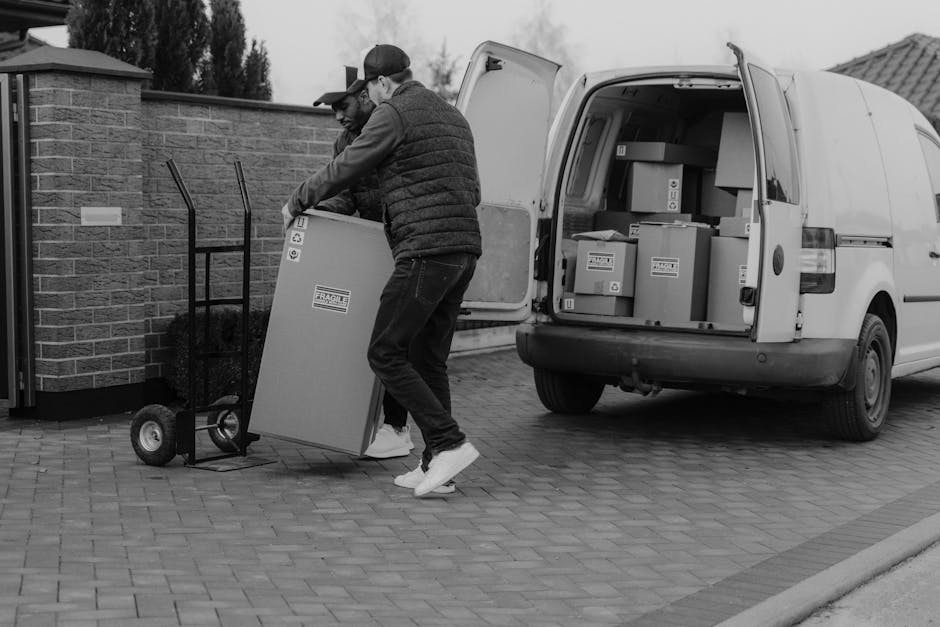
Hollow Way man with van guide for tight street moves OX4

If you are trying to move through Hollow Way in OX4, you already know the problem: the street can be busy, parking can be awkward, and a bigger vehicle can turn a simple job into a slow shuffle of reverse, pause, and try again. This Hollow Way man with van guide for tight street moves OX4 is here to make that process easier. Whether you are moving a few items, clearing a flat, or handling a small home move, the right approach matters a lot more than people think.
Truth be told, narrow streets are not just about vehicle size. They are about timing, loading, access, neighbour awareness, and the small details that can make the difference between a smooth move and a stressful one. In the next sections, we will look at how man and van services handle tight street moves in Hollow Way, what to check before booking, and how to avoid the common headaches that catch people out. A little planning goes a long way.
- Why it matters
- How it works
- Key benefits
- Who it is for
- Step-by-step guidance
- Expert tips
- Common mistakes
- Tools and resources
- Compliance and best practice
- Options and comparison
- Real-world example
- Practical checklist
- Conclusion
- Frequently asked questions
Why Hollow Way man with van guide for tight street moves OX4 Matters
Hollow Way sits in a part of Oxford where local traffic patterns, residential parking, and older street layouts can complicate even a straightforward move. If you have ever tried to get a vehicle into a tight space while someone is waiting behind you, you will know the feeling. It is not dramatic. It is just awkward. And awkward turns expensive very quickly if the move is not planned well.
This matters because the wrong vehicle or the wrong arrival time can create avoidable delays. A narrow stretch of road, a parked car opposite, a low-hanging branch, or a busy school-run window can all affect how easily your items are loaded. A good man with van setup is not just about transport; it is about matching the move to the street. That is the real skill.
For Hollow Way in particular, the challenge is often less about distance and more about access. You may only be shifting a short way across OX4, but if the van cannot park close enough, every box becomes a carry, every extra carry becomes time, and time becomes cost. Simple, but true.
For anyone comparing local moving help, it is worth understanding the service type first. If you are browsing broader options like man with van or flexible man and van support, the best choice is usually the one that fits the street, not just the job list.
How Hollow Way man with van guide for tight street moves OX4 Works
At its simplest, a man with van service gives you a driver, a van, and practical moving help. For tight street moves, though, the service becomes more strategic. The mover may need to assess access, decide where the vehicle can stop safely, and work out whether smaller loads should be broken into stages rather than forcing everything through one impossible parking position.
Here is how it usually works in real life:
- You describe the move clearly. Mention the street name, the type of property, any parking restrictions, stairs, heavy items, and whether the van can wait outside.
- The mover plans the vehicle size. A smaller van may be better in a tight OX4 street than a larger removal truck. Not always, but often enough to matter.
- Loading points are identified. Sometimes the best spot is not directly outside the door. Sometimes it is 20 or 30 metres away. That is fine if everyone knows in advance.
- The team works the route. Boxes, furniture, and awkward items are moved in a sequence that reduces unnecessary carrying and avoids bottlenecks.
- The unloading side is handled in the same way. If the destination also has poor access, the plan needs to account for that too. Otherwise, you are only solving half the problem.
In practice, the biggest difference comes from planning the access, not the lifting. A capable crew will know when to use a compact vehicle, when to protect items for a longer carry, and when to ask for a little help from the customer in advance. Nothing fancy. Just good judgement.
If you are looking at related moving support, pages such as removal van and removal services can help you understand the wider options available before you settle on the right setup.
Key Benefits and Practical Advantages
The main advantage of a man with van move in a tight street like Hollow Way is flexibility. A smaller vehicle is easier to position, easier to manoeuvre, and usually quicker to load when the driver can get close enough to the property. That sounds obvious, but in real moves the obvious things are the ones people overlook.
Practical advantages include:
- Better access on narrow streets - fewer issues getting in and out of awkward spaces.
- Lower stress for short-distance moves - especially when you only need a few bulky items moved.
- More efficient loading - with a nearer loading point, the job often moves faster.
- More adaptable scheduling - useful when the street is busier at certain times of day.
- Less risk of damage - fewer long carries through tight doorways, pavements, or communal areas.
Another benefit is that this style of service suits the kind of move many people actually need, not some idealised removal-day scenario. Maybe you are taking a wardrobe to storage, moving out of a flat with awkward stairs, or collecting second-hand furniture. That is exactly where a careful local mover earns their keep.
To be fair, not every job needs a full-scale removal operation. Sometimes you just need a sensible van, a steady pair of hands, and someone who knows how to work around Oxford streets without making a meal of it.
Who This Is For and When It Makes Sense
This type of move makes sense for people who need access-friendly transport without the scale or expense of a larger removal service. It is especially useful if the job is local, the load is moderate, and the street conditions are the main challenge.
Typical users include:
- students moving between rooms or shared houses in OX4
- flat owners dealing with furniture that needs careful handling
- families shifting a few key items before or after a full move
- landlords arranging small property clearances
- people collecting or delivering bulky second-hand items
- small businesses moving stock, archive boxes, or office items locally
It also makes sense if your current place has tight parking, a shared access road, or a blind bend where a larger van would feel clumsy. You know the sort of street: one side lined with parked cars, the other side just narrow enough to make everyone slow down. Not impossible, just fiddly.
If your job includes more than a few rooms of furniture or a long-distance route, it may be better to compare broader options such as house removals or removal companies. The right fit depends on load size, urgency, and how tricky the access really is.
Step-by-Step Guidance
If you want a smooth Hollow Way move, the best approach is methodical. Nothing glamorous. Just a sensible sequence that reduces surprises.
- Measure the large items. Sofas, wardrobes, beds, and appliances are the usual troublemakers. Check width, height, and whether they can be dismantled.
- Look at the street access in daylight. If possible, stand outside and notice how much space is actually available. Is there room to stop briefly? Are there residents' bays, yellow lines, or narrow kerbs?
- Tell the mover about the worst bit first. Don't save the tricky details for last. The awkward staircase, the low wall, the narrow entrance, the long carry - say it early.
- Decide whether you need help at both ends. If one property has easy access and the other does not, factor that in. One easy end does not cancel out the hard one.
- Pack for carrying, not just stacking. Secure lids, use strong boxes, and avoid overfilling heavy containers. A box that is too heavy is a problem on stairs, not just in the van.
- Reserve a realistic time window. Small street moves can still take longer than expected if parking is tight or neighbours need to pass through.
- Confirm the vehicle choice. Smaller is often better for Hollow Way access, but the vehicle still needs enough capacity for the actual load.
- Leave a clear path. Remove loose rugs, open gates, and keep hallways clear. It sounds basic, and it is, but basic saves time.
One tiny thing that helps a lot: put the first items to be unloaded near the door in your destination property. You will thank yourself later. Everyone does, even if nobody admits it.
Expert Tips for Better Results
Experience in tight streets teaches a few habits that are worth sharing. They are not flashy. They just work.
First, plan around the calmest part of the day. In busy parts of OX4, a move that starts slightly earlier or later can be easier than fighting peak traffic or school-run congestion. Even a 20-minute shift can make the street feel very different.
Second, load in a practical order. Heavy, stable items go in first. Fragile or awkward pieces are secured once the main weight is settled. This reduces damage and helps the load stay balanced on short trips.
Third, protect the pinch points. Door frames, banisters, and tight corners are where scuffs happen. Blankets, straps, and simple corner protection are often enough. Nothing fancy, just good habits.
Fourth, keep the communication plain. Instead of saying the access is "a bit tight," say what that means. Is the van likely to be partially blocked by parked cars? Is the carry distance more than 20 metres? Will a sofa need to go down stairs with a turn at the landing? Those details matter.
Fifth, expect a little flexibility. A good mover should be able to adapt if the first parking option disappears. That happens. Neighbours return, delivery vehicles arrive, life gets in the way. A calm plan B is worth its weight in tea bags.
If your move also involves item protection or post-move handling, related services like packing and unpacking services and furniture pick up can make the process feel far less chaotic.
Common Mistakes to Avoid
Most tight-street move problems are avoidable. That is the frustrating part. People usually do not fail because they lack effort; they fail because they assume the job will be easier than it is.
- Booking the wrong-sized vehicle. Too big and you cannot access the street comfortably. Too small and you need extra trips.
- Not mentioning access problems up front. If the mover does not know the street is tight, they cannot plan for it.
- Ignoring parking restrictions. A perfectly good plan can collapse if there is nowhere legal or practical to stop.
- Packing weak boxes. Boxes that sag or split are a nightmare when carried down narrow paths or stairwells.
- Forgetting about the destination. The new place can be just as awkward as Hollow Way, sometimes worse.
- Leaving dismantling until the last minute. Wardrobes and bed frames are easier to move when they are already broken down.
Another common issue is underestimating how much time awkward access adds. It may only be a local move, but local does not automatically mean quick. It just means the route is shorter. The work is still the work.
And yes, the classic mistake: "I'm sure the van will fit." Famous last words on a narrow Oxford street.
Tools, Resources and Recommendations
You do not need a warehouse of gear to make a tight street move go well. A few useful items and sensible services are usually enough.
Helpful tools and materials:
- sturdy moving boxes in mixed sizes
- packing tape and marker pens
- blankets or furniture wraps for corners and polished surfaces
- ratchet straps or secure tie-downs
- gloves with decent grip
- trolley or sack truck for heavier items, where access allows
- temporary floor protection for entrances and hallways
Useful service types to consider:
- man and van removals for flexible local jobs
- removals when the move is bigger or more complex
- home moves for domestic transitions with more furniture
- removals near me when you want a local provider quickly
For many readers, the most useful resource is simply a mover who is willing to discuss access properly. That short conversation can save a surprising amount of hassle later.
Law, Compliance, Standards, or Best Practice
For a local move in Hollow Way, the main compliance concerns are usually practical rather than complicated. You need to think about parking, loading safely, keeping access clear, and handling items without creating risk for yourself or other road users. If the mover is operating on public roads, they should work within normal UK road rules and local restrictions.
It is also sensible to check what the provider says about insurance, damage handling, and customer responsibilities. That is not being fussy. It is being realistic. If a narrow street means a longer carry or a slightly more awkward loading position, everyone should know who is responsible for what before the first box is lifted.
Where relevant, good practice usually includes:
- clear communication about access and loading points
- safe lifting and carrying methods
- appropriate vehicle choice for the street and load
- careful securing of items during transit
- respect for neighbours, shared entrances, and communal areas
If you want to understand how a provider handles safety and service expectations, pages like insurance and safety, health and safety policy, and terms and conditions are worth reading before you book. A little due diligence goes a long way, honestly.
Options, Methods, or Comparison Table
Not every move in Hollow Way needs the same setup. The right choice depends on load size, access, timing, and how much help you want on the day.
| Option | Best for | Strengths | Limits |
|---|---|---|---|
| Man with van | Small to medium local moves, tight streets, flexible jobs | Easy access, practical loading, usually good for awkward OX4 roads | Less ideal for very large house moves |
| Full removal service | Larger family moves and more furniture | More capacity and broader support | Can be overkill for a short, simple job |
| Self-managed van hire | People who want control and already have helpers | Flexible timing, direct control | You carry the planning burden and the lifting risk |
| Small item pickup | Single items or a few bulky pieces | Quick and focused | Not suited to bigger household loads |
In a tight street, the man with van option often wins because it is nimble. That is the short version. If the street is awkward and the move is local, nimbleness matters more than size most of the time.
Case Study or Real-World Example
Here is a realistic example from the kind of move this guide is built around.
A couple in OX4 needed to move from a first-floor flat near Hollow Way into a nearby house. The load was modest: a bed frame, mattress, small sofa, several boxes, and a dining table. The street outside the flat was narrow and already half-occupied with parked cars by late morning. A large van would have made the loading awkward, possibly impossible without a long carry.
Instead, they chose a smaller man with van setup. The mover arrived early, checked the street, and positioned the vehicle where it could be loaded safely without blocking access. One person stayed with the items while the other handled the vehicle and lifting. The sofa was wrapped, the bed frame was dismantled, and the boxes were grouped by weight so the stair carry stayed manageable.
The move was not magical. It was just organised. The street stayed calm, the neighbours could still pass, and the load was out without drama. That is usually what a good local move looks like. Quietly efficient. No fuss.
What made the difference was not luck. It was planning for the street conditions instead of pretending they did not exist.
Practical Checklist
Use this checklist before your Hollow Way move. It will save you from the usual last-minute scramble.
- Confirm the move date and time window
- Measure large furniture and appliances
- Check whether items need dismantling
- Describe Hollow Way access clearly to the mover
- Ask what vehicle size is being used
- Check parking and loading restrictions at both addresses
- Keep walkways, hallways, and doorways clear
- Pack fragile items securely and label boxes clearly
- Protect floors, frames, and corners where needed
- Set aside essentials you will need first at the new place
- Have a backup contact number ready on moving day
- Review any insurance or service terms before the job starts
If you can tick those off, you are already ahead of the curve.
Get a free quote today and see how much you can save.
Conclusion
A tight street move in Hollow Way does not have to be stressful. With the right man with van support, a bit of planning, and a realistic view of access, even awkward OX4 loading conditions can be handled smoothly. The trick is to treat the street as part of the job, not an afterthought.
That means choosing the right vehicle, speaking plainly about access, packing for the carry, and making sure both ends of the move are thought through. Simple advice, yes. But in moving, simple advice is often the stuff that saves the day.
If you are comparing providers, it can help to look beyond the headline price and think about practical fit, safety, and flexibility. A well-planned move is usually the cheapest move in the end, even if it does not look that way at first glance.
And once the boxes are in, the kettle is on, and the street noise fades into the background, you will be glad you handled it properly. Small win, but a real one.
Frequently Asked Questions
What is the best type of van for a tight street move in Hollow Way?
Usually, a smaller or medium-sized van is easier to manage in a narrow Oxford street because it can position more easily and reduces access problems. The best choice still depends on the load size, parking conditions, and whether the van needs to stop very close to the property.
How do I know if a man with van service is right for my move?
If you are moving a moderate load, need local flexibility, and your main concern is access rather than volume, it is often a strong fit. It is especially useful for short-distance jobs, flat moves, and bulky item transport.
Should I mention parking restrictions before booking?
Yes, absolutely. Parking and loading restrictions can change the whole plan. The more accurately you describe the street, the easier it is for the mover to decide on timing and vehicle size.
Can a man with van help with stairs and awkward hallways?
In many cases, yes. That is one of the reasons people choose the service. Still, it helps to explain narrow staircases, tight landings, or difficult turns in advance so the crew can prepare properly.
Is this service suitable for student moves in OX4?
Yes, very often. Student moves usually involve fewer items, tighter budgets, and a need for flexibility, which makes a man with van a sensible choice.
How much notice should I give for a Hollow Way move?
The earlier the better, especially if access is tight or timing matters. Some local jobs can be arranged quickly, but giving notice helps with vehicle planning and avoids rushed decisions.
What if the van cannot park right outside my property?
That is common in narrow streets. A good mover will plan for a short carry or an alternative stopping point. The key is to explain the situation before moving day so nobody is surprised.
Do I need to dismantle furniture first?
Not always, but it often helps. Beds, wardrobes, and some tables are easier and safer to move when broken down. If you are unsure, ask the mover what can stay assembled.
Is insurance important for a small local move?
Yes. Even short, local moves can involve accidental knocks, parking-related issues, or handling risks. It is sensible to check what cover is included and what the customer's responsibilities are.
What should I pack separately for easy access on arrival?
Keep essentials like kettle items, chargers, basic toiletries, and important documents easy to reach. It saves a lot of rummaging when you arrive tired and slightly dustier than planned.
How can I reduce the risk of damage in a tight street move?
Use strong boxes, wrap fragile items, protect corners, and clear the walking route. Also, communicate clearly about access so the mover can plan a safer loading position and avoid rushed lifting.
Where can I find more information about local moving options?
You can browse related service pages such as moving van, man with van removal, and removal van to compare the style of support that best suits your move.