Narrow Stairs in Victorian Cowley Homes? Movers' Fixes
Posted on 10/06/2026
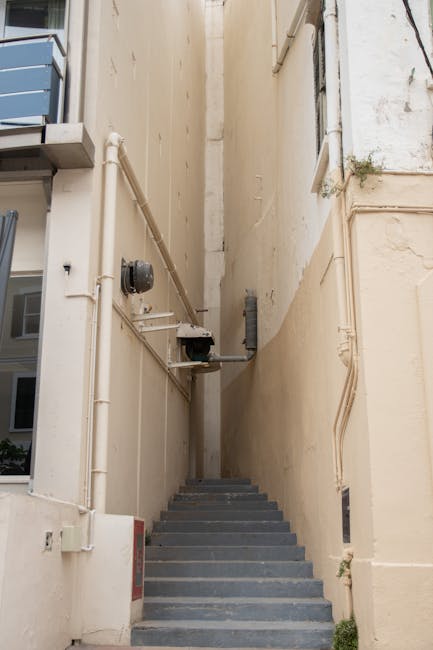
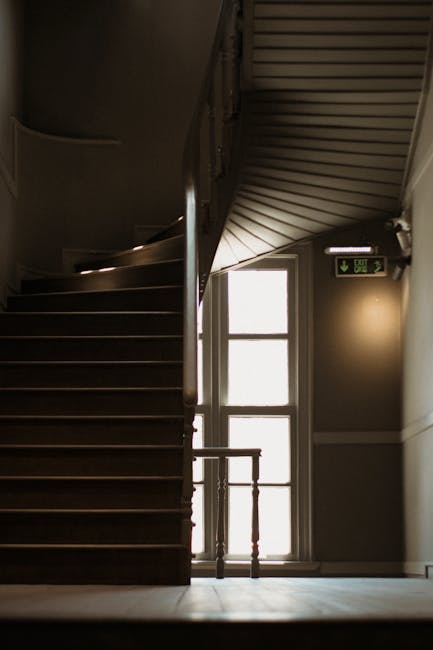
Victorian homes in Cowley have a lot going for them: character, solid bones, high ceilings, and those lovely period touches that make a place feel lived-in rather than cookie-cutter. But if you are moving into or out of one of them, the stairs can be a different story altogether. Tight turns, steep risers, odd landings, and banisters that seem determined to catch every sofa corner can turn a simple move into a proper puzzle.
That is where Narrow Stairs in Victorian Cowley Homes? Movers' Fixes really matters. The right approach is not about brute force. It is about planning, measuring, protecting the property, and using the right moving methods for the job. In this guide, we will break down what actually works, what to avoid, and how experienced movers make awkward staircases far less stressful. If you are dealing with a flat, terrace, or older house in Cowley, this will save you time, effort, and a few headaches too.
Why Narrow Stairs in Victorian Cowley Homes? Movers' Fixes Matters
Old houses were not designed around modern furniture dimensions. That is the first thing people notice, usually after they have bought a wardrobe that looks fine in the shop and suddenly seems enormous in the hallway. Victorian staircases can be especially awkward because they often combine several movement obstacles at once: a tight width, a bend halfway up, a low ceiling above the landing, and a wall that leaves no room to swing an item around naturally.
This matters for more than convenience. A difficult staircase can lead to scuffed plaster, chipped paintwork, damaged banisters, strained backs, and delays on moving day. In some homes, the issue is not even the staircase itself but the route to it. A narrow front path, a sharp doorway, or a tiny turning space in the hall can make the whole process harder. That is why sensible movers plan the route before they even touch the first box.
It also matters commercially. If you are comparing moving help, you want to know whether a team can cope with older Cowley properties rather than just flat, open-plan moves. For example, a team that understands awkward access is usually better suited to house removals in Cowley, especially where the staircase is a real bottleneck. And if the property is a top-floor flat, the same logic often applies to flat removals in Cowley too.
To be fair, this is one of those problems that looks small on paper and very large on moving day. Once a sofa is halfway on the landing and stuck at an angle, there is no elegant way to pretend it was all part of the plan.
How Narrow Stairs in Victorian Cowley Homes? Movers' Fixes Works
The fix is not a single trick. It is a sequence. Professional movers normally work through the property like a route-planning exercise, checking widths, heights, bend points, rail clearance, and item dimensions before committing to the carry. When the staircase is tight, the aim is to reduce risk at each step rather than rely on strength alone.
In practice, this often means five things:
- Measuring properly - not just the furniture, but the usable staircase width at the narrowest point, the height above each tread, and the size of any turn.
- Breaking the move into smaller loads - moving more items in manageable sections instead of trying to wrestle one oversized piece through a tight gap.
- Protecting the property first - using covers, floor protection, and wrapping where needed to avoid scraping old woodwork or plaster.
- Choosing the right carry technique - stair-shuttle, pivot turns, vertical angle carrying, or in some cases dismantling furniture before moving it.
- Using the right crew size - some items are simply safer with two people, sometimes three. There is no medal for being heroic about it.
For awkward furniture, the difference between a smooth move and a stressful one is usually preparation. A simple bed frame might be fine if it is dismantled early. A bulky sofa may need to be wrapped, tipped carefully, and carried at a controlled angle. If you are dealing with a mattress or a bed frame, it helps to read practical guidance like moving beds and mattresses without the usual hassle. Those items are deceptively awkward on narrow stairs because they flex, catch air, and love to snag on bannisters.
For especially heavy or awkward objects, movers may use a combination of team lifting and route clearing. If a piece is too heavy to manage safely on your own, it is usually better to learn from a proper heavy-item moving guide than discover the hard way that "just one more step" was a bad idea.
Key Benefits and Practical Advantages
There are some obvious benefits to handling narrow stairs properly, but the less obvious ones are often the most valuable. Good planning saves energy, yes, but it also makes the whole move feel calmer. You are not constantly pausing to reassess the angle of a wardrobe or wondering whether the landing is going to become a permanent storage zone for your sofa.
- Less damage to the property - banisters, walls, stair treads, and skirting boards stay in better shape.
- Less risk of injury - especially where twisting, lifting, or stepping backwards is involved.
- Faster load-in and load-out - once the route is understood, the crew can move with confidence.
- Better control of fragile items - mirrors, furniture, and boxed belongings are less likely to be knocked.
- More realistic scheduling - you can plan around real access conditions rather than guesswork.
There is also a mental benefit that people underestimate. A move feels far easier when the hardest part has been thought through in advance. That is why smart preparation, like using better packing methods for a smoother move, tends to have a ripple effect. Neat packing makes handling easier, and easy handling makes the stairs less of a threat.
If you are decluttering first, the benefit grows. Fewer items, fewer trips, fewer "where on earth does this go?" moments. A bit of early sorting, as suggested in minimalism before your next house move, can genuinely reduce the pressure on those Victorian staircases.
Who This Is For and When It Makes Sense
This is not just a problem for people moving giant antique wardrobes. It affects a lot of ordinary households in Cowley. If your home has period architecture, you may need these fixes whether you are moving a small student setup or a full family home.
It makes sense for:
- Homeowners in Victorian terraces with tight internal staircases
- Tenants moving in and out of upper-floor rooms or maisonettes
- Students carrying furniture into older shared houses
- Anyone with bulky furniture, especially sofas, beds, desks, and bookcases
- People on a tight schedule who need a move to happen cleanly the first time
It also makes sense if the move includes more than furniture. Appliances are another classic challenge. If you are also trying to move storage items, older kitchen kit, or boxed household gear, a little route planning goes a long way. In some cases, it is smarter to place non-urgent items into storage in Cowley rather than force everything through a staircase on a rushed day.
Truth be told, if you look at the staircase and immediately think, "That seems tight," you are probably right.
Step-by-Step Guidance
Here is the practical version. This is the sort of process experienced movers use when dealing with narrow stairs in older Cowley houses. It is simple, but not simplistic. Every step reduces friction.
- Survey the route from van to room
Check the front path, doorway, hallway, staircase, landing, and any turns. Measure where the space narrows. It only takes one awkward bend to change the whole plan. - Measure the biggest items first
Start with the bulkiest furniture: sofa, mattress, wardrobe, table top, or piano. If the largest item can pass, the rest is usually manageable. If it cannot, you need an alternative route or dismantling plan. - Decide what to dismantle
Furniture with removable legs, shelves, headboards, or arms should usually be stripped down before moving. The fewer fixed protrusions, the easier the pivot on a landing. - Protect the stairwell and walls
Use blankets, covers, or wrapping where contact is likely. On narrow Victorian stairs, the risk is not just impact; it is repeated rubbing on corners and paint edges. - Assign roles clearly
One person leads, one steadies, one watches the rear or the turn. Clear calls matter. "Hold," "pivot," "down a touch," and "stop" are the sort of words you want before, not after, the scrape. - Use controlled angles, not rushed lifting
Large items often move best when tilted slightly and rotated carefully at the turn. The trick is to keep the weight balanced. A tiny shift can make a huge difference. - Load the van strategically
Put awkward items near the door or in the order they will be needed first. When a move includes multiple stair runs, a tidy load order saves a lot of backtracking.
There is a nice side effect here: once you start thinking like this, the move feels less like a scramble and more like a sequence of decisions. Not glamorous, but effective. Very effective.
If the whole job feels bigger than expected, a broader moving plan helps. A useful place to start is this step-by-step guide to stress-free house moving, which fits neatly with the stair-specific planning you need in older homes.
Expert Tips for Better Results
These are the practical bits that often separate a decent move from a painfully awkward one. Small decisions, big effect.
- Take the measurements twice if the item is borderline. A few centimetres can change whether something passes cleanly or needs dismantling.
- Remove loose parts early - handles, shelves, cushions, drawers, and detachable feet only get in the way later.
- Wrap before you carry - it protects the furniture and reduces snagging on narrow rail edges.
- Use furniture sliders and straps where appropriate - not as a magic fix, but as a helpful assist.
- Keep the stairwell clear - shoes, bags, boxes, and coats have a habit of becoming trip hazards at the worst moment.
- Plan for weather - wet shoes on a painted staircase are nobody's friend, especially when the landing is tight and the van door is open in the rain.
One more thing: do not underestimate the value of a clean route. Dust, grit, and loose debris make it harder to grip and easier to slip. A quick pre-move tidy really does help, which is why many people use a simple pre-move clean like pre-move cleanliness tips before the removers arrive.
And if the move includes something highly awkward, like a piano, get specific advice rather than treating it like a bigger cupboard. A dedicated guide such as safe piano relocation tips is worth following because pianos are heavy, sensitive, and absolutely unforgiving on narrow stairs.
Common Mistakes to Avoid
Most stair-related problems are avoidable. Usually it is not the staircase itself that causes the damage; it is the way people approach it.
- Skipping measurements - guessing rarely ends well.
- Forcing oversized furniture through - if it catches, stop and reassess instead of pushing harder.
- Ignoring the landing geometry - many items fit on the straight section but fail on the turn.
- Moving too quickly - speed is not a strategy on Victorian stairs.
- Overloading one person - especially on older staircases where the carry angle changes mid-step.
- Forgetting protection - a tiny bump can leave a very visible mark on period woodwork.
Another mistake is assuming every move needs the same solution. A one-bed flat move and a family house removal have different stair pressures, even if the staircase is similar. Likewise, a quick local job may benefit from a different setup than a full-day relocation. If timing is tight, a same-day option can sometimes help, and it is worth looking at same-day removals in Cowley when plans change fast for a more practical feel of how urgent moves are handled.
Also, do not forget disposal. Sometimes the simplest fix is not to carry everything upstairs at all. If an item is beyond practical use, arranging removal or pickup can be smarter than trying to wrestle it around a narrow bend. In those cases, a service like bulky item pickup for sofas, fridges and beds can be a far cleaner answer.
Tools, Resources and Recommendations
You do not need a warehouse full of equipment to handle narrow stairs well. But the right basics make a difference.
| Tool or resource | What it helps with | Best use case |
|---|---|---|
| Measuring tape | Checking stair width, height, and turning space | Before move day, especially for large furniture |
| Furniture blankets | Preventing scratches and paint marks | Walls, banisters, and fragile furniture edges |
| Straps or lifting aids | Improving grip and control | Heavy items and awkward angles |
| Cardboard or floor protection | Reducing scuffs and dirt transfer | High-traffic stair runs and hallways |
| Dismantling kit | Removing legs, handles, shelves, or joints | Bulky furniture with removable parts |
| Clear moving plan | Reducing confusion and delays | Any home with tight Victorian access |
If you are choosing between doing it yourself and hiring help, take a realistic view of the staircase first. A narrow staircase is one of the clearest signs that you may benefit from a professional team. Local moving experience matters because older houses are full of quirks, and you usually only discover them when a mattress is already halfway around a bend.
For packing support, it also helps to use good-quality boxes and materials rather than random supermarket boxes that collapse when stacked. A practical place to start is packing and boxes in Cowley, which supports cleaner loading and easier stair carrying.
If you want a more complete move setup, a wider overview of available help can be useful too. The services overview can help you think through what kind of support fits your move, whether you need full assistance or just a man and van style solution.
Law, Compliance, Standards, or Best Practice
For a staircase move, the main legal and safety concerns are less about special rules for Victorian houses and more about general moving safety. In the UK, best practice normally means protecting people first, then the property, then the schedule. That sounds obvious, but you would be surprised how often it gets reversed.
Professional movers should work with sensible manual handling practice, clear communication, and risk-aware lifting decisions. If a route is too tight or an item too heavy, the right response is to change the plan rather than push through. That is especially true where stairs are narrow, turns are blind, or the item has no good handholds.
Insurance is another sensible consideration. Before any move, it is worth understanding what is covered, what is not, and how claims are handled if something unexpected happens. For a clearer picture, read insurance and safety information alongside the moving plan. It is not the exciting part, granted, but it is the part that keeps everyone calmer.
For customers, the practical takeaway is straightforward: ask about stair access in advance, be honest about tricky furniture, and do not hide the awkward bits. The earlier the crew knows about narrow stairs, the better they can prepare. That is just good practice, really.
Options, Methods, or Comparison Table
There are a few ways to deal with narrow stairs in a Victorian Cowley home. The best one depends on the item, the staircase, and the time available.
| Method | Best for | Pros | Limits |
|---|---|---|---|
| Careful manual carry | Smaller furniture and boxed items | Flexible, quick, low equipment needs | Riskier for bulky or heavy objects |
| Dismantling before move | Wardrobes, beds, tables, shelving | Reduces width and snagging | Needs tools and time |
| Two- or three-person lift | Large sofas, appliances, awkward shapes | Improves control and balance | Requires coordination |
| Alternative route planning | Homes with side access or rear entry | Can bypass tight turns | Not always available |
| Temporary storage before move | Non-essential items or oversize pieces | Reduces pressure on moving day | Needs extra coordination |
As a rule of thumb, the more awkward the staircase, the more likely it is that you will need to combine methods rather than rely on one. A sofa may be dismantled, wrapped, and carried by two people, while a wardrobe might be better moved in parts. There is no shame in mixed tactics. In fact, that is usually the smart move.
Case Study or Real-World Example
Picture a typical Victorian terrace in Cowley: narrow hallway, steep staircase, a turn at the top, and a landing that feels like it was designed for one person and a small plant. The customer has a three-seat sofa, a bed frame, a heavy chest of drawers, and a few boxes of kitchenware.
Instead of trying to force the sofa straight up the stairs, the moving team measures the staircase and the sofa depth first. The feet are removed. The sofa is wrapped. One person leads from above, another supports from below, and the mover at the rear watches the wall clearance. On the turn, the team pauses, adjusts the angle, and lifts only when the line is clear. It takes a few extra minutes, but there is no wall damage and no awkward panic halfway through.
The bed frame is easier once dismantled, which is why it helps to follow guidance on moving sleep furniture properly. The drawers are emptied beforehand, wrapped if needed, and carried separately. Boxes are stacked in a way that keeps the weight manageable on the stairs. Nothing dramatic. Just careful work.
By the end of the job, the customer is relieved not because the move was magical, but because it felt controlled. That is the real win. Less friction, fewer surprises, and no repair bill for the bannister. Lovely.
Practical Checklist
Use this checklist before moving through narrow Victorian stairs in Cowley:
- Measure stair width, landing space, and the largest items
- Check for bends, low ceilings, and tight door frames
- Remove detachable parts from furniture
- Pack boxes so they stay balanced and easy to carry
- Protect walls, banisters, and flooring
- Keep the route clear of shoes, clutter, and loose cables
- Assign clear roles to each mover
- Have a plan for anything that does not fit
- Decide whether storage or disposal is the better option for oversized items
- Confirm insurance, timing, and access details before the move starts
Expert summary: If a Victorian staircase feels tight before the move begins, it will feel tighter once the sofa is on the landing. Measure early, dismantle where sensible, and let the route decide the method.
If you want moving help that is built around awkward access rather than fighting it, take a look at man with a van in Cowley and compare it with a more complete removal services approach. The right fit depends on your furniture, the staircase, and how much lifting you really want to do yourself.
Conclusion
Narrow stairs in Victorian Cowley homes do not have to turn moving day into a battle. With a bit of planning, the right tools, and a realistic view of the staircase, most moves become far more manageable. The aim is simple: protect the property, protect the people, and make the journey from van to room as smooth as possible.
In practice, the best fixes are usually the least dramatic ones. Measure properly. Dismantle bulky items. Pack smart. Use help when it is needed. And if the staircase looks like a challenge, treat it like one rather than pretending it will sort itself out. It rarely does.
For many people, the hardest part is simply starting the plan. Once that is done, the rest tends to fall into place, step by careful step. And honestly, that calmer pace is worth a lot on moving day.
Get a free quote today and see how much you can save.